When Do You Need Heat Welded Vinyl Flooring? | Patina
Signs your medical facility needs heat welded vinyl flooring — infection control, code compliance, and durability. A guide for Nebraska facilities.
Not Sure If Your Facility Needs It?
Signs your medical facility needs heat welded vinyl flooring — infection control, code compliance, and durability. A guide for Nebraska facilities.
Flooring Guide — Medical & Healthcare Facilities
If you manage a clinic, medical office, or healthcare facility, there's a decent chance your flooring is doing more damage than you realize — and you don't find out until an inspection flags it.
Most facility managers don't think about their flooring until something forces the issue — a failed inspection, a moisture problem that won't go away, or a renovation that finally gives them a reason to fix it. If any of that sounds familiar, it's worth understanding what heat welded vinyl actually is and whether your space needs it.
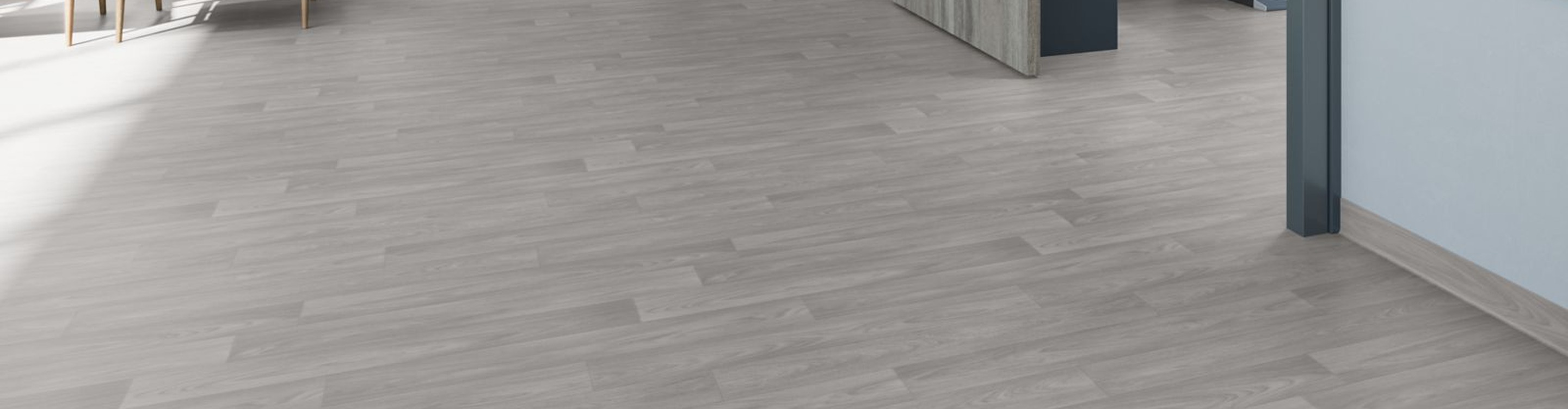
Heat welded vinyl is sheet vinyl flooring installed in continuous runs, with every seam fused together using a heat gun and a color-matched welding rod. Instead of separate tiles or planks with gaps between them, you get one uninterrupted, watertight surface from wall to wall. No seams means nowhere for moisture, bacteria, or debris to collect.
A few honest signals worth paying attention to:
Not every square foot of a medical facility needs the same floor. In our experience, heat welded vinyl gets specified most in:
Waiting rooms, offices, and admin space can often get away with a simpler floor — the clinical and high-traffic areas are where the investment actually pays off.
Beyond the obvious — no seams, easier cleaning — a properly installed heat welded vinyl floor tends to outlast the alternative by years, not months. That matters more than it sounds like, because the real cost of flooring isn't the install; it's how many times you have to redo it over the life of the building.
Want the technical detail? We put together a full breakdown of the construction types, certifications (R10, NFSI, ISO Cleanroom Class 3), and vendor options we work with — read the full guide here.
That's a normal place to be. Most facility managers aren't flooring specialists, and they shouldn't have to be. We'll walk your space, tell you honestly which areas actually need heat welded vinyl and which don't, and give you a straight answer — not a sales pitch.
We'll walk your facility and tell you straight — no pressure, no upsell.
Get a Commercial Estimate Call 402-902-4711